Sleep Regressions Explained
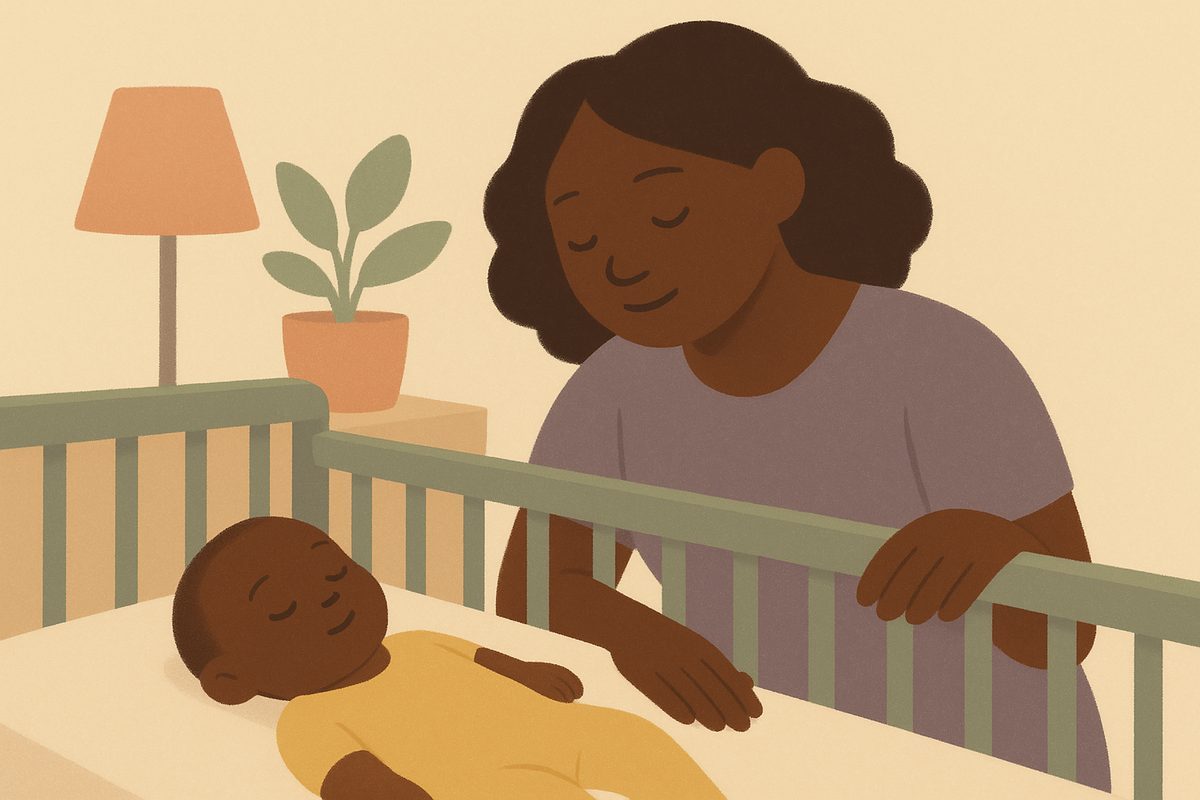
Your baby was finally sleeping well — and then, seemingly overnight, they're waking every two hours again. Welcome to a sleep regression. Frustrating as they are, regressions are usually a sign of healthy development, not a step backward.
What's actually happening
Around 4 months, baby sleep architecture matures permanently into adult-like cycles, with more light sleep and brief wakings between cycles — this is the famous "4-month regression," and it's really a reorganization. Later bumps (commonly around 8–10 months and near 12 months) tend to coincide with big leaps: crawling, pulling to stand, separation anxiety, language bursts, teething, or nap transitions. A brain busy learning to crawl practices at 3 a.m.
What it looks like
- More frequent night wakings and shorter naps.
- Fighting bedtime or suddenly crying when you leave the room.
- Extra clinginess or hunger during developmental leaps.
Regressions typically last 2–6 weeks. If poor sleep drags on longer, or baby seems unwell — fever, ear-pulling with distress, poor feeding — check for something else, like illness, and call your pediatrician.
How to ride it out
- Hold your routine steady: consistent bedtime, familiar wind-down, dark room. Predictability is your anchor while everything else wobbles.
- Adjust wake windows — regressions often overlap with baby needing slightly more awake time or one fewer nap.
- Offer comfort without building a brand-new habit you don't want to keep, if you can — briefly settle, then give them a chance to resettle.
- Give crawlers and standers lots of daytime practice; skills rehearsed by day intrude less at night.
Most of all, lower the bar for a few weeks. Survive it, don't fix it — this genuinely passes.
*Always consult your pediatrician for advice specific to your baby.*
Everything in this guide, matched to YOUR baby
Daily play plans, CDC milestones, trackers — and CrySense, which reads your own logs when the crying starts.
Download Bloomie on the App Store