Postpartum Recovery Basics
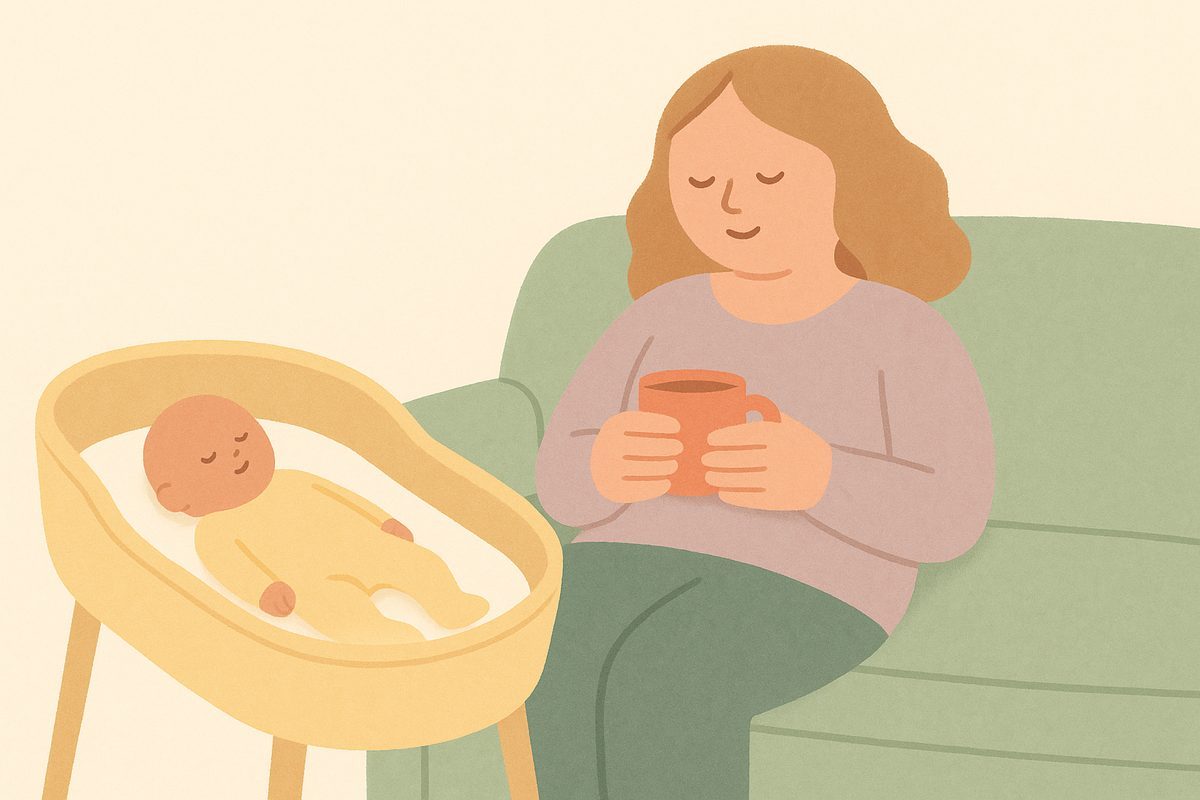
You've just done something extraordinary, and your body needs real time to recover — around six weeks for the basics, and often months to feel fully yourself. Knowing what's normal helps you rest easier and spot what isn't.
What's normal in the early weeks
- **Bleeding (lochia):** like a heavy period at first, gradually lightening over 4–6 weeks. Use pads, not tampons.
- **Cramping** as the uterus shrinks back, especially while breastfeeding.
- **Soreness:** perineal stitches or a cesarean incision need gentle care — for tears, rinse with warm water, pat dry, try witch-hazel pads and sitz baths. For a cesarean, keep the incision clean and dry and avoid lifting anything heavier than your baby for several weeks.
- Constipation (fluids, fiber, and don't strain), night sweats, hair shedding around 3–4 months, and general exhaustion — all common.
Helping yourself heal
- Rest genuinely: sleep when you can, accept help, and let the housework slide. Recovery is an activity, not laziness.
- Eat regularly, drink plenty of water (especially breastfeeding), and start with gentle walks before anything strenuous.
- Wait for your postpartum checkup (and your own readiness) before resuming exercise and sex; ask about pelvic floor exercises — they help almost everyone.
- Attend that checkup even if you feel fine — the AAP and ACOG now emphasize ongoing postpartum care, not just one visit.
Call your provider urgently for
- Soaking a pad an hour, golf-ball-size clots, or foul-smelling discharge.
- Fever of 100.4°F (38°C)+, a hot red painful breast, or an incision that's red, oozing, or opening.
- Severe headache, vision changes, chest pain, trouble breathing, or a painful swollen leg — these can signal emergencies even weeks after birth.
Your recovery matters as much as the baby's checkups.
*Always consult your pediatrician for advice specific to your baby.*
Everything in this guide, matched to YOUR baby
Daily play plans, CDC milestones, trackers — and CrySense, which reads your own logs when the crying starts.
Download Bloomie on the App Store