Baby Blues or Postpartum Depression?
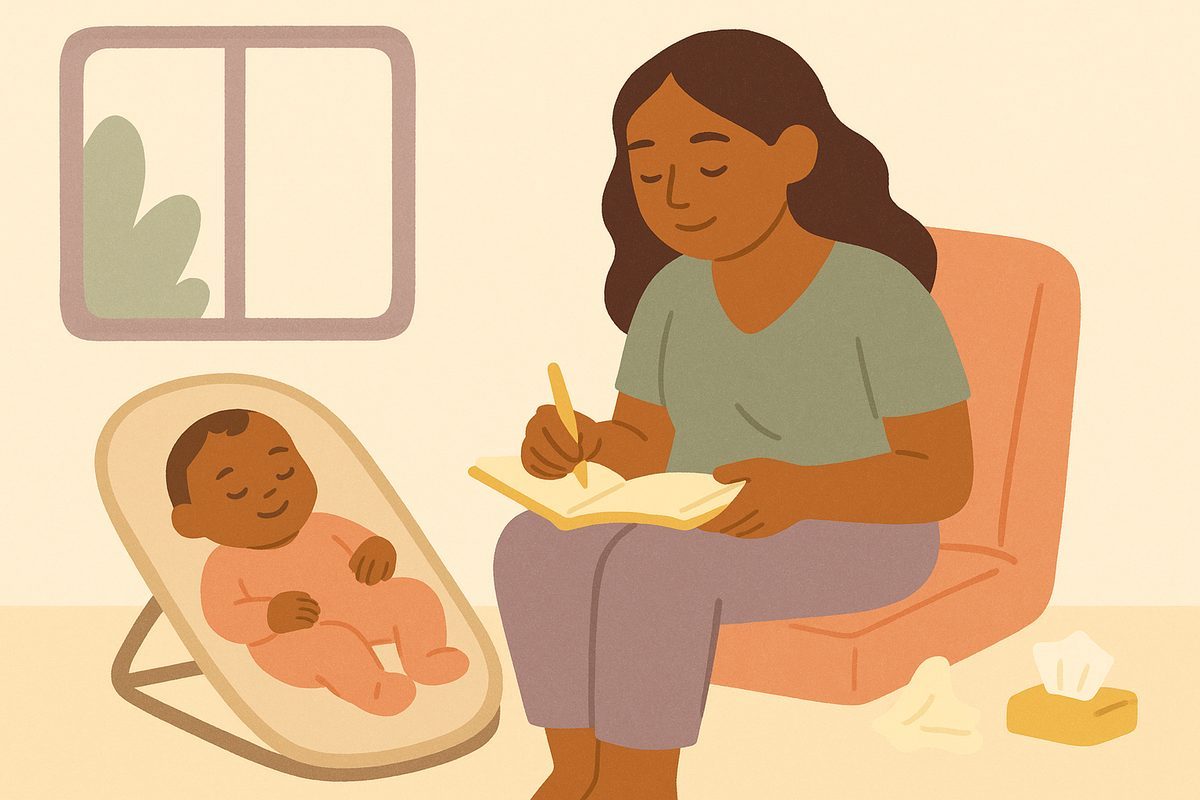
Up to 80% of new mothers get the "baby blues" — and around 1 in 8 experiences postpartum depression. Knowing the difference matters, because one passes on its own and the other deserves real treatment. Neither is your fault, and neither means you're a bad mother.
Baby blues: common and brief
In the first days after birth, hormones crash while sleep disappears. The result: weepiness, mood swings, irritability, and feeling overwhelmed — usually starting around day 2–3 and lifting within two weeks without treatment. Rest, support, and time are the remedy.
Postpartum depression: more than blues
PPD is different in depth and duration. It can begin anytime in the first year, not just the newborn weeks. Signs include:
- Sadness, emptiness, or hopelessness most of the day, for more than two weeks.
- Losing interest in things you used to enjoy; struggling to bond with the baby, or feeling numb.
- Overwhelming guilt, worthlessness, or feeling like a failure.
- Sleep or appetite changes beyond what a newborn explains; anxiety or racing intrusive thoughts; anger.
Postpartum anxiety — constant dread, a mind that won't switch off, physical panic — is just as common and just as treatable.
Reaching out is the strong move
PPD is a medical condition, not a character flaw, and it responds well to treatment — therapy, medication (options exist that are compatible with breastfeeding), and support. Tell your doctor, midwife, health visitor, or your baby's pediatrician — they screen for this because it's so common. Tell your partner or a friend today.
**If you have thoughts of harming yourself or your baby, seek help immediately** — call or text the 988 Suicide & Crisis Lifeline (US) or the National Maternal Mental Health Hotline at 1-833-TLC-MAMA, or your local emergency number. Help works, and you deserve it.
*Always consult your pediatrician for advice specific to your baby.*
Everything in this guide, matched to YOUR baby
Daily play plans, CDC milestones, trackers — and CrySense, which reads your own logs when the crying starts.
Download Bloomie on the App Store